
Japanese knotweed & corrosion detection dogs in Ireland
Early detection is critical for protecting infrastructure, land and investment. Our highly trained detection dogs identify hidden Japanese knotweed and early-stage corrosion with exceptional accuracy. Supporting local authorities, construction and industrial sectors across Ireland, we deliver fast, reliable surveys that reduce risk, prevent costly damage and inform confident decision-making.
Japanese knotweed & corrosion detection dogs in Ireland
Early detection is critical for protecting infrastructure, land and investment. Our highly trained detection dogs identify hidden Japanese knotweed and early-stage corrosion with exceptional accuracy. Supporting local authorities, construction and industrial sectors across Ireland, we deliver fast, reliable surveys that reduce risk, prevent costly damage and inform confident decision-making.
Early detection services for hidden risks in Ireland
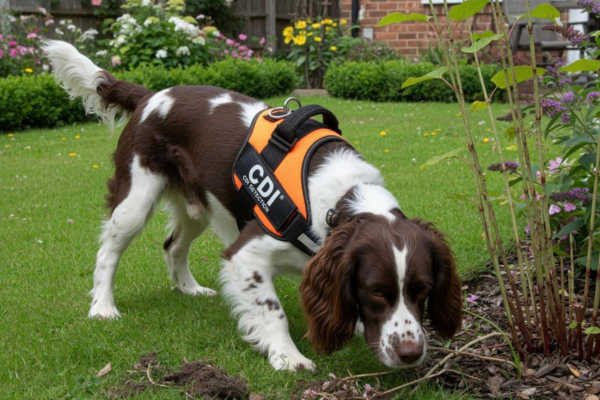
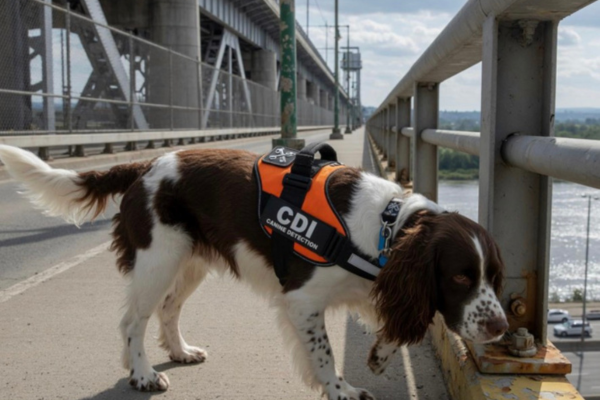
CDI
Smarter detection. Earlier insight. Better decisions.
Across Ireland, hidden risks undermine projects, budgets and long-term asset performance.
Corrosion and Japanese knotweed rarely reveal themselves early. They grow exponentially until damage is costly, hazardous, disruptive and increasingly difficult to control. Our specialist detection dogs identify risks at the earliest possible stage, giving you clarity long before traditional methods are able to confirm a problem.
CDI news & updates
Limerick Leader feature
CDI Olfacta featured in the Limerick Leader for pioneering Ireland’s only Japanese knotweed detection dog unit, helping identify underground rhizomes before visible growth appears.
📅 Published: 23 May 2026
📍 Featured in: Limerick Leader
🔗 Article:
Farmers Journal feature
CDI Olfacta featured in The Farmers Journal for pioneering Europe’s first Japanese knotweed detection dog programme, helping identify invasive species before visible growth appears.
📅 Published: 22 April 2026
📍 Featured in: The Farmers Journal
🔗 Article:
CDI Olfacta at EUROCORR 2026
Presenting on early-stage corrosion detection in marine and low-carbon environments.
📅 Dates: 8–10 September 2026
📍 Location: Ireland
🕒 Lecture times:
- Tuesday: 14:20 – 14:40
- Thursday: 11:30 – 11:50
2026 CPD training programme
Practical, evidence-driven training on early detection of corrosion and Japanese knotweed.
📅 Launch: Coming soon (2026)
📍 Format: Online (Europe-wide access)
🕒 Lecture times:
- Coming soon
About us
Proven. precise. trusted.
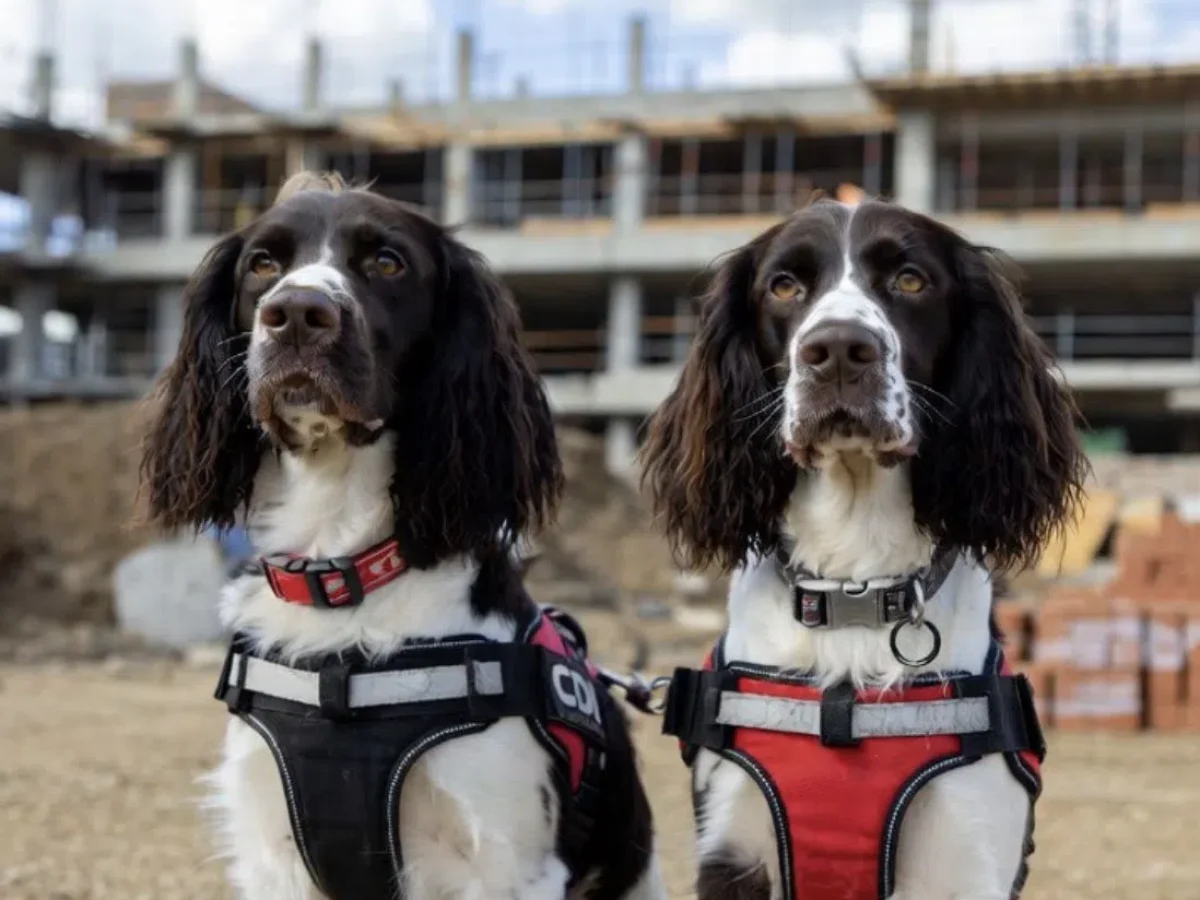
We pioneered conservation detection dogs in Ireland in 2018, launching Europe’s first Japanese knotweed detection dog programme. Today, our approach is used across development, engineering and environmental sectors.
Recognised by RICS and leading international publications, our scientifically validated methodology supports surveying and consultancy teams with clear, defensible and actionable insights for confident decision-making.
Why choose us

Early detection capability
Identify risks at the earliest stage, before visible signs appear.

Hidden risk identification
Detect underground and concealed issues that standard inspections miss.

Works where others can’t
Effective even in early-stage or low-visibility conditions.

Proven detection method
Scientifically developed approach with consistent, repeatable results.

Faster site assessment
Efficiently survey large or complex areas with minimal disruption.

Reduced project risk
Support decisions that avoid delays, damage and unexpected costs.
Trusted by industry professionals
Case study
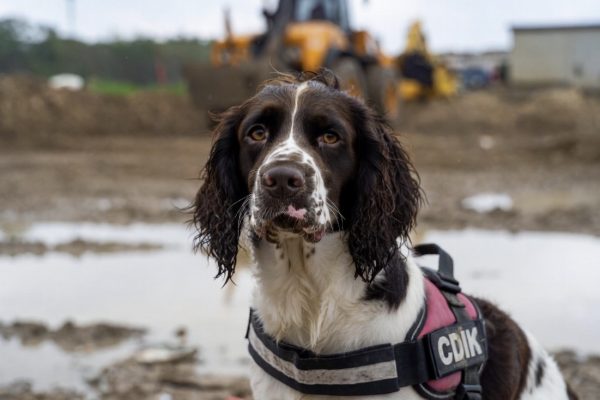
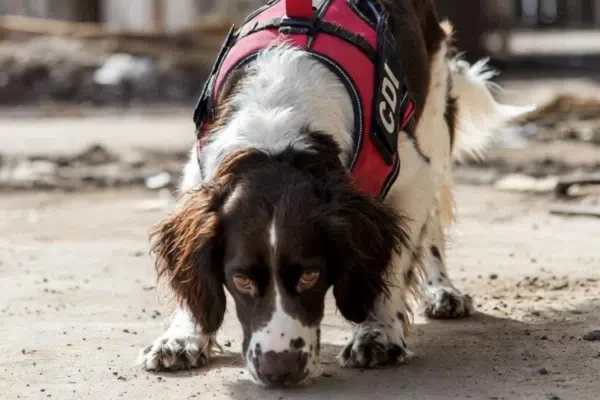
Identify hidden risks before they become costly
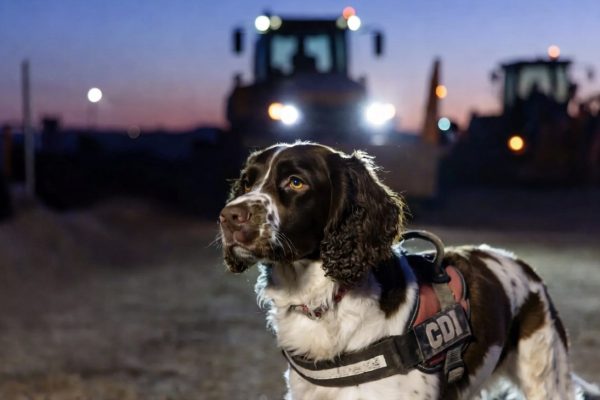
We detect underground and early-stage risks that traditional inspections often miss, providing clear, actionable insights to help you avoid delays, damage and unnecessary costs before they impact your project or property.
Frequently asked questions
Can detection dogs find Japanese knotweed underground?
Yes. Detection dogs are trained to identify the scent of Japanese knotweed, allowing them to locate underground, dormant or concealed growth that may not be visible during a traditional survey.
How accurate are Japanese knotweed detection dogs?
When handled by trained professionals, detection dogs offer a highly accurate method of early identification. They are particularly effective in locating hidden growth that visual inspections may miss, helping reduce uncertainty during site assessments.
Is detection by dogs better than a traditional survey?
Detection dogs complement and often outperform traditional surveys when it comes to early-stage identification. While visual surveys rely on visible growth, detection dogs can identify knotweed before it emerges, allowing for earlier and more informed decisions.
Can detection dogs work all year round?
Yes. Unlike visual inspections, detection dogs are not limited by season or vegetation cover. They can operate effectively throughout the year, including when knotweed is dormant.
How long does a detection survey take?
The duration depends on the size and complexity of the site. However, detection dogs can cover large areas much faster than manual inspections, making the process efficient even for extensive sites.
Will the survey damage my property or land?
No. Detection surveys are completely non-invasive. The process does not involve digging or disturbing the ground, making it ideal for sensitive or active sites.
What happens if knotweed is detected?
If knotweed is identified, the locations are clearly marked and included in your report. You will also receive recommendations for next steps, which may include further investigation, monitoring or remediation planning.
Get in touch - we’re here to help.
If you’d like to discuss a project, have a question, request a presentation or CPD training for your team – don’t hesitate to let us know.