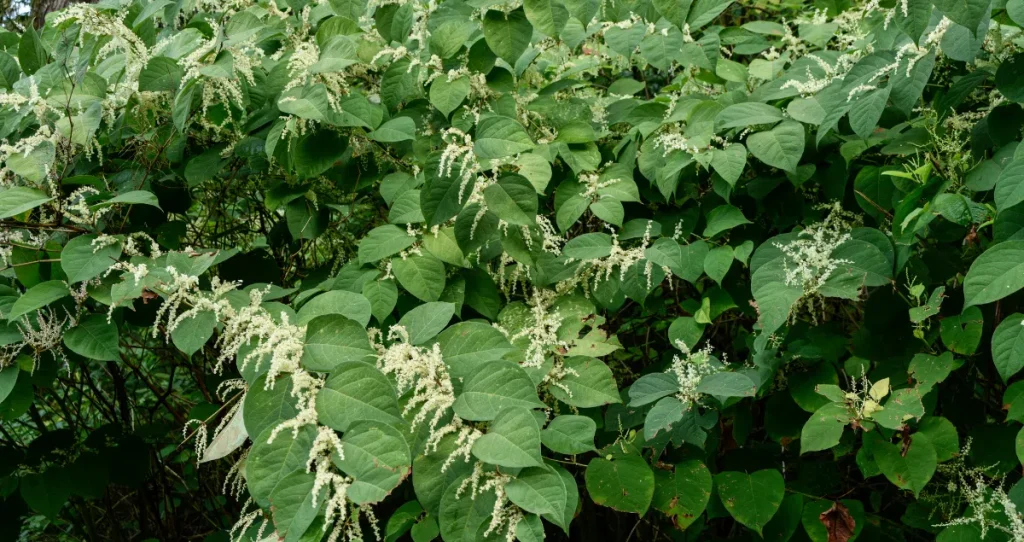
Japanese knotweed is one of those plants you really do not want to discover on your property. It spreads quickly and causes structural damage and can create serious issues when you are trying to sell or mortgage a home in Ireland. The tricky part is that many people are not sure what it actually looks like. If you are even slightly unsure this guide will help you understand what to look for and what steps to take next.
What does Japanese knotweed look like in each season in Ireland
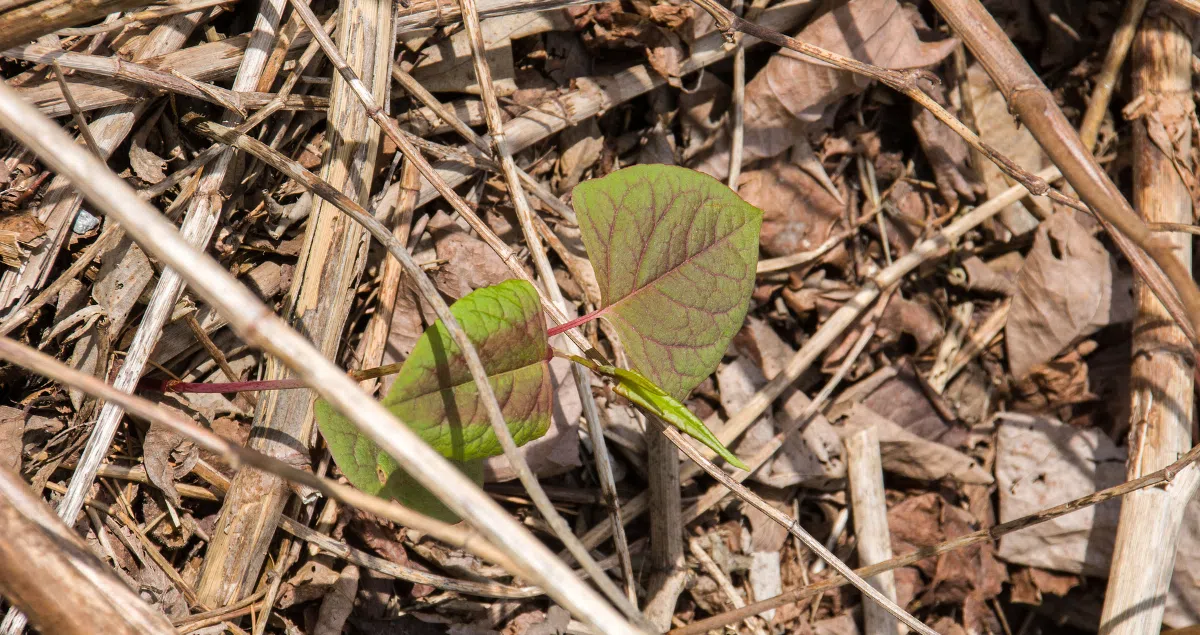
Japanese knotweed changes appearance throughout the year which is why it is often missed in the early stages. In spring the plant begins as reddish purple shoots that push up through the soil and quickly develop into hollow stems. These stems resemble bamboo and can grow at an alarming rate once the weather warms up. As the weeks go on the leaves begin to open and take on a distinct shovel or heart shape which becomes one of the easiest ways to recognise the plant.
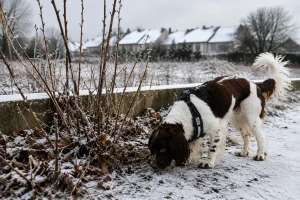
By summer Japanese knotweed becomes tall dense and difficult to ignore if you know what to look for. The bright green leaves form thick clusters and small creamy white flowers start to appear towards the end of the season. In autumn the leaves begin to yellow and fall away while the stems remain upright and strong. During winter the plant looks dry and lifeless but the brown hollow canes stay visible and the underground rhizome system continues to spread beneath the surface.
Where is Japanese knotweed commonly found in Ireland
Japanese knotweed is commonly found in areas where the ground has been disturbed or left unmanaged for long periods of time. This includes construction sites road edges railway lines and riverbanks where the plant can easily take hold and spread without interference. Once established it can move quickly into nearby land which makes it a concern for both public and private spaces across Ireland.
In residential areas Japanese knotweed often appears in gardens that border neglected land or older developments. It can spread from neighbouring properties without the owner even realising until it becomes well established. In Ireland it is frequently seen in areas where previous building work or soil movement has taken place which creates the ideal conditions for growth. Understanding where it is likely to appear can help you stay alert and catch it early before it becomes a larger issue.
Why is Japanese knotweed a serious problem for property owners
Japanese knotweed is more than just an invasive plant as it can cause real structural and financial problems for property owners. Its strong root system can grow through cracks in concrete damage drains and put pressure on foundations over time. This type of damage can be costly to repair and often becomes more complicated if the plant has been left untreated for a long period.
In Ireland the presence of Japanese knotweed can also affect your ability to sell or remortgage a property. Many lenders require confirmation that the issue has been professionally managed before they approve financing. This means that even a small infestation can delay property transactions and reduce overall value. Taking early action is important as it allows you to manage the problem before it impacts your property in a more serious way.
What plants look similar to Japanese knotweed

One of the main reasons Japanese knotweed is difficult to identify is because several other plants can look quite similar at first glance. Russian vine is a common example as it grows quickly and can cover large areas but it behaves as a climbing plant rather than forming upright bamboo like stems. This key difference can help you separate it from Japanese knotweed when you take a closer look.
Bindweed is another plant that often causes confusion due to its white flowers and rapid spread. However it tends to grow as a vine and wraps around other plants rather than standing on its own. Dock plants can also be mistaken for Japanese knotweed because of their broad leaves but their structure and growth pattern are very different. Misidentifying these plants can lead to unnecessary concern or delay proper action so it is important to be sure before making any decisions.
Can you identify Japanese knotweed yourself or should you call experts
It is possible to carry out an initial check yourself if you are familiar with the seasonal signs and growth patterns of Japanese knotweed. Looking at the shape of the leaves the structure of the stems and how the plant behaves over time can give you a strong indication. However identification is not always straightforward especially during early growth stages or in winter when visible signs are limited.
In many situations it is safer to involve a professional who has experience dealing with Japanese knotweed. Experts can confirm whether the plant is present and assess the extent of the problem more accurately. This helps you avoid misidentification and ensures that the right steps are taken from the beginning. Seeking professional advice early can save time and prevent the issue from becoming more difficult to manage later on.
How does professional detection work including detection dogs
Professional detection involves more than simply looking at what is visible above the ground. Specialists are trained to identify early signs of Japanese knotweed and understand how it spreads beneath the surface. They carry out detailed inspections to determine whether the plant is present and how far it has extended across the area which is essential for planning effective treatment.
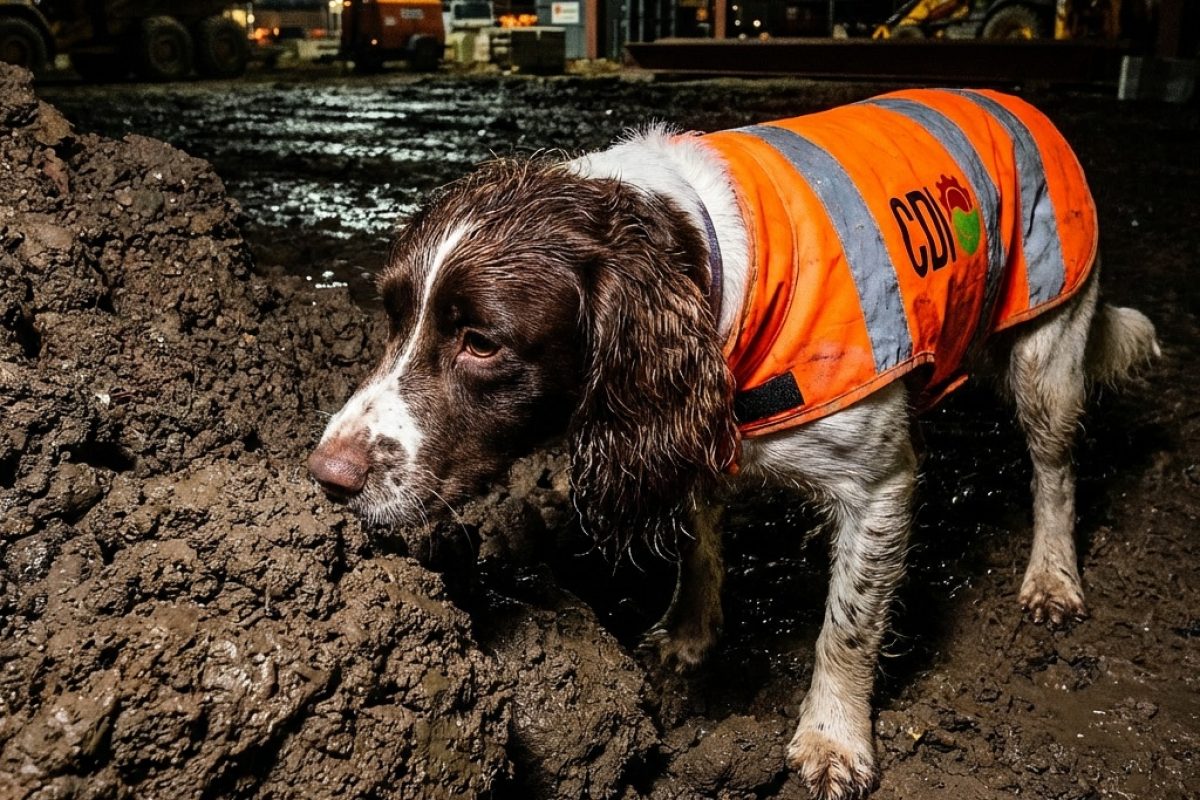
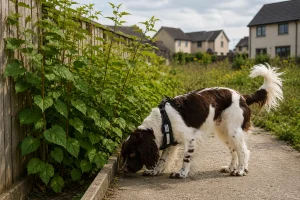
In Ireland detection dogs are becoming an increasingly reliable method for locating Japanese knotweed rhizomes underground even when there are no visible signs above the surface. This makes them particularly useful for property surveys pre purchase inspections and larger sites where early detection is critical. Using this approach can help identify hidden growth before it develops into a more serious problem.
What should you do if you think you have found Japanese knotweed
If you believe you have found Japanese knotweed it is important not to disturb the plant. Cutting digging or attempting to remove it yourself can cause the roots to spread further which makes the problem worse. Even small fragments can regrow and lead to a wider infestation if they are not handled correctly.
In Ireland Japanese knotweed is considered controlled waste which means it must be managed and disposed of properly. The safest approach is to contact a professional who can confirm its presence and recommend the best course of action. Early intervention is key as it allows you to control the spread and reduce the long term impact on your property. Acting quickly can make a significant difference in managing the situation effectively.
Japanese knotweed can be difficult to identify at first especially if you are not familiar with how it changes throughout the year. Once you understand the key characteristics and where it is commonly found it becomes easier to recognise the signs early. This awareness can help you take action before the plant becomes firmly established on your property.
If you are ever in doubt it is always better to seek expert advice rather than wait and hope the issue resolves itself. Japanese knotweed does not go away on its own and delaying action can lead to more serious problems over time. By staying informed and acting early you can protect your property and avoid unnecessary stress in the future.