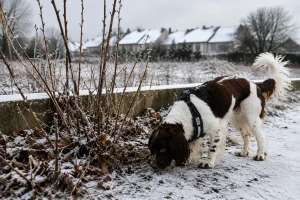
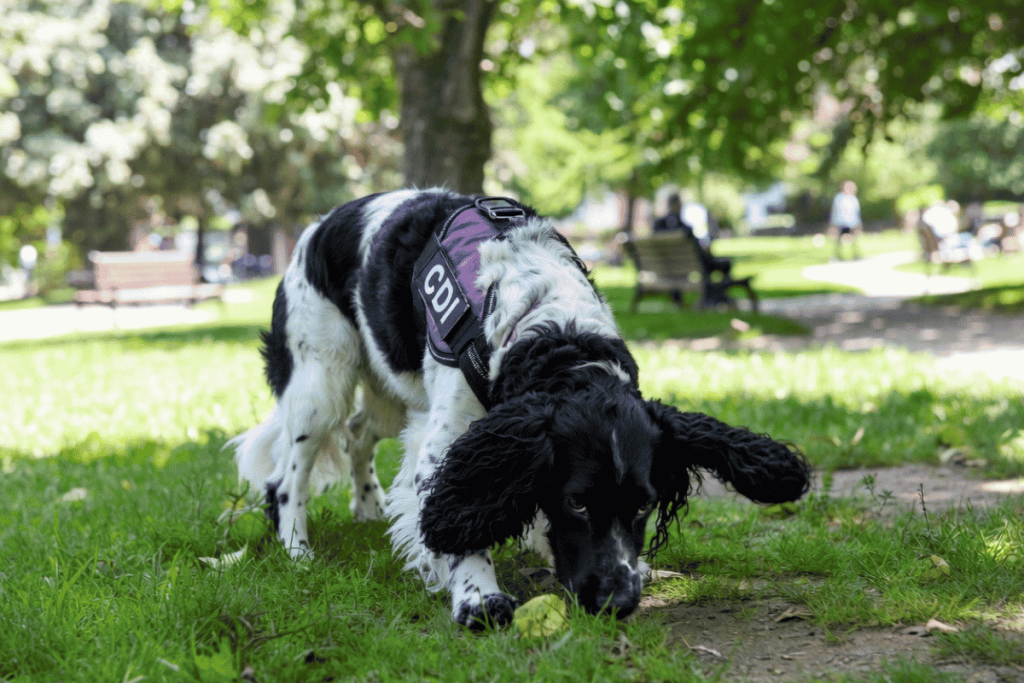
Japanese knotweed spreads in Ireland almost entirely through the movement of its underground root system rather than through seeds. This distinction matters enormously for anyone managing land, carrying out construction work, or importing topsoil to a site, because it means the plant can establish itself in a completely new location with no visible above-ground presence whatsoever. Understanding exactly how knotweed spreads through soil, what makes rhizome fragments so persistent, and why contaminated topsoil is one of the most significant vectors for new infestations in Ireland is essential for any landowner, developer, or contractor who wants to avoid the serious legal and financial consequences that come with disturbing or spreading this plant. The ability of trained detection dogs to locate Japanese knotweed rhizomes underground and during dormancy is directly relevant to this challenge, and understanding the biology of how knotweed spreads makes clear why detection at rhizome level is so much more reliable than visual inspection alone.
How Japanese knotweed actually spreads
In its native range in East Asia, Japanese knotweed reproduces sexually through seed. In Ireland and across Europe, the plant reproduces almost exclusively through vegetative means, which means through the physical spread of rhizome material rather than through pollination and seed dispersal. This is partly because the vast majority of Japanese knotweed plants established in Ireland are female clones descended from a very small number of original introductions, and viable seed production requires cross-pollination with a male plant, which is rarely available.
The rhizome is the underground stem system from which all above-ground knotweed growth originates. It is a dense, woody, orange-fleshed structure that can extend several metres horizontally from the visible crown of the plant and reach depths of two metres or more below the surface. The rhizome network stores energy reserves that allow the plant to survive periods of dormancy, resist herbicide treatment, and regenerate from very small fragments. A single rhizome fragment as small as one centimetre in length and less than a gram in weight is capable of producing a viable new plant under the right conditions. This extraordinary regenerative capacity is what makes contaminated soil such an effective and dangerous vehicle for spreading the infestation.
Why contaminated topsoil is one of the highest-risk vectors in Ireland
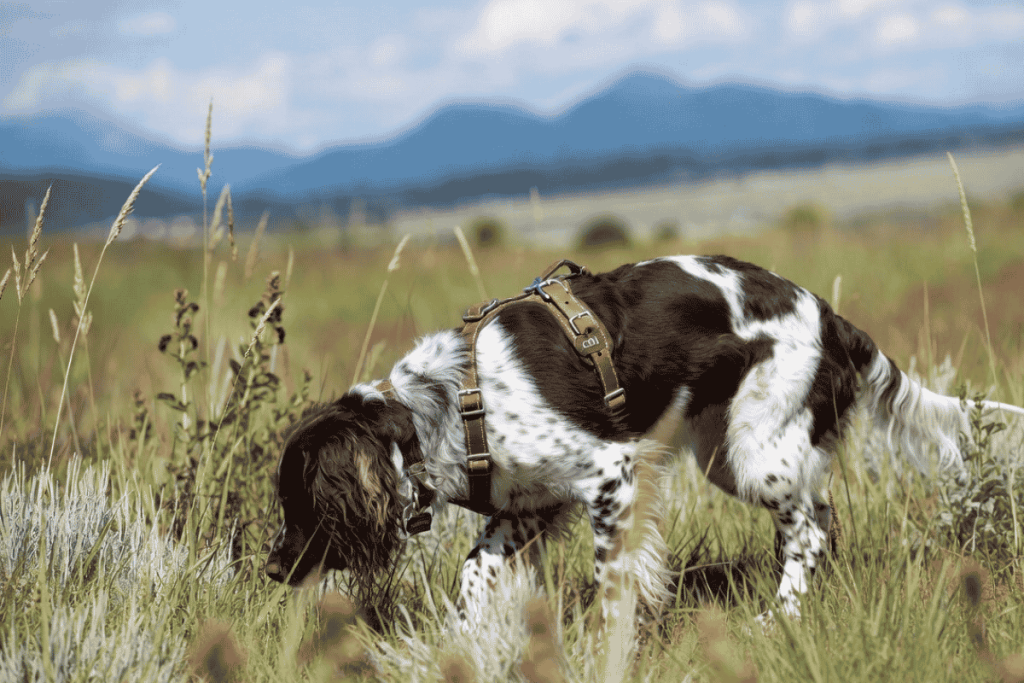
Topsoil imported to a site is one of the most common ways Japanese knotweed establishes in locations where it was not previously present. Soil stripped from one site and moved to another carries with it any rhizome fragments present in the material, and those fragments can remain viable for an extended period even during transport and temporary stockpiling. A landowner who accepts a delivery of contaminated topsoil may not see any above-ground growth for weeks or months, but by the time the first shoots appear the rhizome network will already have begun to establish itself below the surface.
This is a particular problem in Ireland because there is no mandatory testing or certification requirement for topsoil movements, meaning contaminated material can change hands without either party being aware of the risk. The legal position is clear, however: once contaminated soil is present on a site, the landowner has obligations under Irish waste management legislation regardless of how it arrived. Removing or moving that material without complying with controlled waste regulations exposes the landowner to enforcement action and liability. For anyone accepting topsoil deliveries or purchasing land where recent soil movements have taken place, understanding what a professional knotweed survey involves and why visual inspection of recently moved soil is unreliable is an important starting point.
How site machinery and groundworks spread rhizomes
Construction and civil engineering sites are among the most active environments for the secondary spread of Japanese knotweed. Excavators, dumpers, tracked plant, and other machinery that comes into contact with contaminated soil or rhizome material can carry fragments on tracks, buckets, and undersides to other parts of the same site or to entirely different locations. A single machine working across an infested area and then moving to a clean part of a site can establish multiple new colonies in a single day without the operator or site manager being aware of what has happened.
Water movement on construction sites is another mechanism that is frequently overlooked. Surface water runoff carrying fine soil particles and rhizome fragments can transport viable material downslope, along drainage channels, or into watercourses adjacent to the site. Japanese knotweed is commonly found along riverbanks and drainage channels in Ireland partly because this is how it spreads naturally in the landscape, and construction sites that are not managed carefully can accelerate this process significantly. The CDI case studies include examples of how knotweed spread through site movement has resulted in substantially higher remediation costs than the original infestation would have required to manage, had it been identified and contained at the outset.
Why dormant and buried rhizomes are missed by visual surveys
Japanese knotweed is a strongly seasonal plant. Above-ground growth emerges in spring, reaches its maximum height through summer, and dies back completely by late autumn. During the winter months, the plant is entirely invisible above ground. An experienced surveyor carrying out a visual inspection of a site between November and March will find no surface indication of even a well-established infestation, yet the rhizome network below the surface remains fully viable and will resume growth as soon as soil temperatures rise in spring.
Rhizomes buried at depth present a similar challenge even during the growing season. In undisturbed soil, knotweed rhizomes can extend to depths of two metres, well below the zone where any surface vegetation would be visible. Where a site has been resurfaced, built over, or covered with imported material, an existing rhizome network may be sealed beneath the surface with no above-ground indication whatsoever. This is a common discovery on brownfield development sites in Ireland, where previous land uses may have included partial treatment, covering, or soil movement that has redistributed rhizome material across the site without eradicating it.
How detection dogs identify rhizomes that visual surveys cannot find
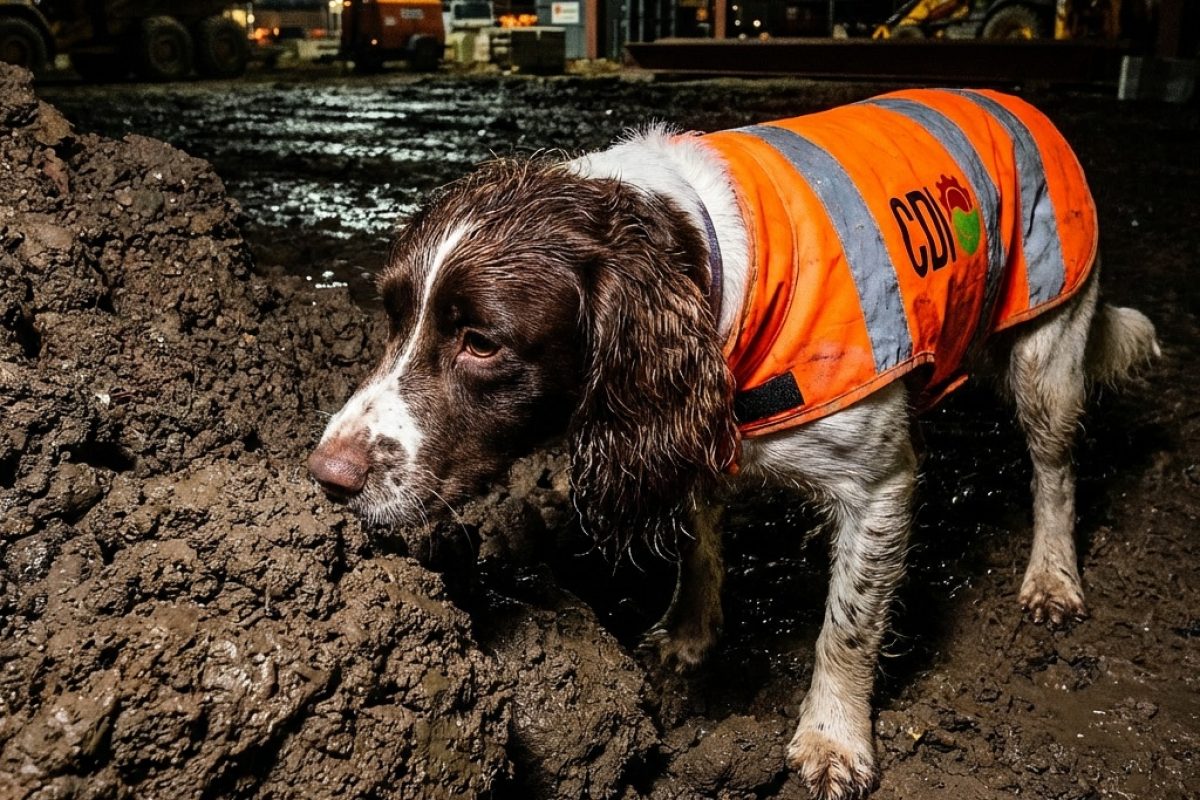
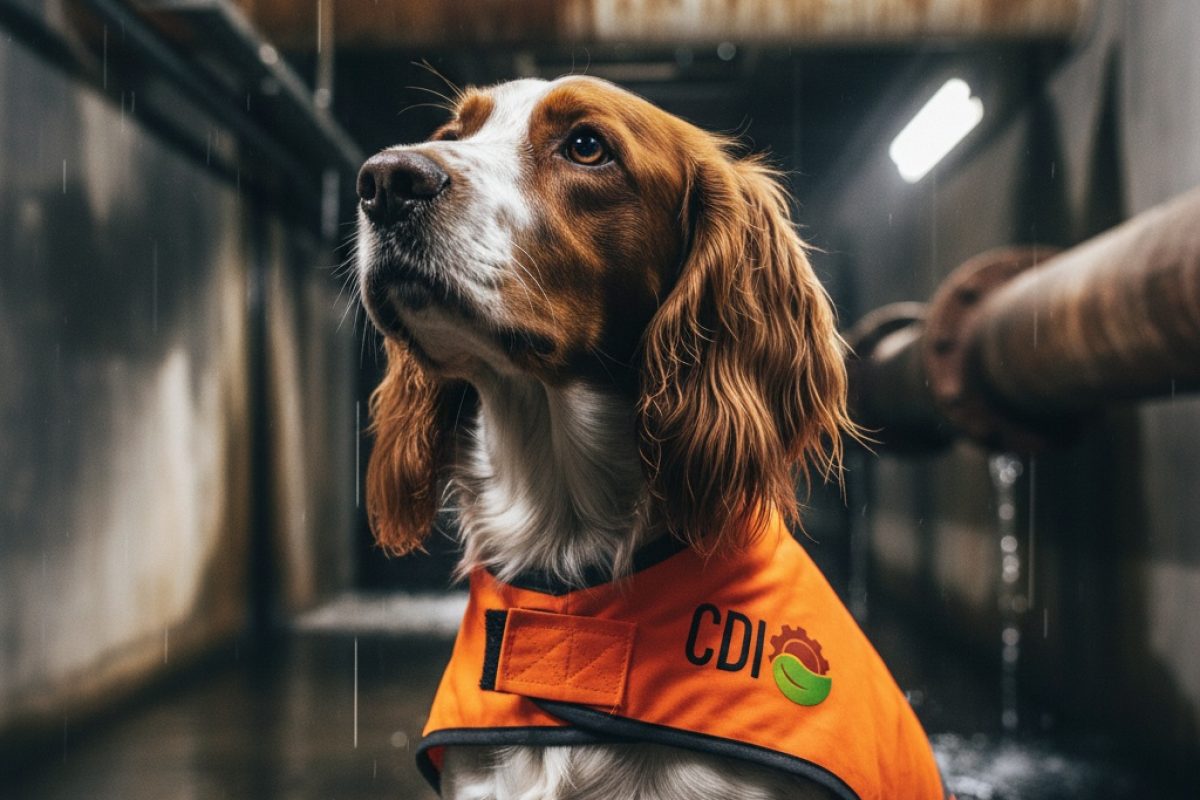
This is precisely where Japanese knotweed detection dogs trained to locate underground and dormant rhizomes through scent alone provide a capability that no visual inspection method can replicate. The dogs are trained to identify the specific volatile organic compounds associated with living knotweed rhizome tissue. Because scent can permeate upward through soil from buried rhizomes, the dogs can indicate the presence of knotweed material that is deep below the surface, dormant, or covered by imported material with no above-ground growth visible at any time of year.
This year-round detection capability is one of the most significant practical advantages of the detection dog method. A site that needs to be assessed for rhizome contamination in winter, or a delivery of topsoil that needs to be checked before it is spread, can be surveyed with a high degree of confidence regardless of the season. This is not possible through visual inspection alone, and it is not reliably achievable through soil sampling across large areas, where the spatial coverage required to detect small or dispersed rhizome fragments would be impractical and expensive.
The dogs also provide a speed advantage that is directly relevant to sites where topsoil deliveries are being assessed or where large areas of potentially contaminated ground need to be screened before works proceed. A detection dog and handler can cover ground efficiently, providing a rapid indication of whether rhizome material is present and where it is concentrated, without the need for intrusive testing or excavation at multiple points across the site.
What happens to contaminated soil under Irish legislation
Under Irish waste management legislation, soil containing Japanese knotweed rhizomes is classified as controlled waste. This classification has significant practical implications for anyone dealing with knotweed-contaminated material on a site. The soil cannot be moved using ordinary haulage arrangements; it must be transported by a licensed waste carrier holding the appropriate permit for the movement of invasive species waste. It cannot be deposited at a standard soil disposal or recycling facility; it must go to a site licensed to receive and manage controlled waste of this type.
Failure to comply with these requirements is not simply a technical breach. Enforcement under Irish waste management legislation can result in prosecution, substantial fines, and orders requiring the remediation of any secondary contamination caused by non-compliant movement of knotweed material. For developers and contractors, the documentation requirements associated with legal knotweed soil movement also add logistical complexity to programme management. Identifying and containing contaminated material before groundworks begin, rather than discovering it during excavation, is consistently the more cost-effective and legally straightforward outcome. If you are managing a site where knotweed-contaminated soil is a concern, reviewing how CDI has approached contaminated soil and rhizome detection on Irish development sites provides useful context for planning your own approach.
Practical steps for landowners and developers before moving any soil
Anyone planning to move soil on or off a site in Ireland, whether through development groundworks, landscaping, agricultural earthworks, or infrastructure projects, should consider commissioning a knotweed survey before any material is disturbed. This applies equally to sites where knotweed has not previously been recorded, because the dormant and underground nature of rhizome contamination means it may be present without any prior indication. For sites where topsoil is being imported, requesting confirmation from the supplier that the source site has been professionally assessed for knotweed is a reasonable and increasingly standard due diligence step. If you are buying land where soil movement has taken place and you cannot confirm the history of the material on site, a detection dog survey to establish whether Japanese knotweed rhizomes are present before you commit to the purchase is among the most cost-effective assessments you can commission at that stage.
For developers who have already commissioned a site survey as part of pre-groundworks due diligence, the guidance on what to do when Japanese knotweed is found during a property or site survey in Ireland sets out the next steps clearly. For those still at the planning stage of a construction project, understanding the full range of risks knotweed presents on Irish construction and development sites before groundworks begin is the most important preparation you can do. To discuss a survey for your site, contact the CDI team directly to arrange a Japanese knotweed rhizome assessment at the right stage of your project.