The cost of a Japanese knotweed survey in Ireland depends on several factors, including property size, site accessibility, the type of inspection required, previous infestation history and the level of reporting needed. For homeowners, property buyers, developers and commercial landowners, arranging a professional survey can be an important step in understanding whether Japanese knotweed is present and how it may affect future plans. Although the initial cost of an inspection is often a concern, the consequences of overlooking an infestation can be considerably more expensive, particularly when property transactions, excavation or construction activities are involved. Japanese knotweed can remain concealed beneath the ground, survive periods of dormancy and spread through viable rhizome fragments, meaning that the absence of visible vegetation does not necessarily confirm that a property is unaffected. Understanding what influences survey costs, how different inspection methods work and when specialist detection is appropriate can help property owners choose a service that provides meaningful information rather than simply selecting the lowest quotation.
How much does a Japanese knotweed survey cost in Ireland?
There is no universally applicable price for a Japanese knotweed survey in Ireland because each property presents different inspection requirements. A small residential garden containing one area of suspicious vegetation may require a relatively straightforward assessment, whereas a large commercial development site could involve several hectares of land, multiple potential infestation areas and additional reporting requirements. The cost of the service therefore depends on the work necessary to investigate the property and provide findings that are relevant to the client’s circumstances.
The purpose of the inspection is equally important. A homeowner preparing to sell a house may need to establish whether suspected Japanese knotweed is present near a boundary, while a developer planning excavation may need information about concealed rhizomes and areas where potentially affected soil could be disturbed. Although both situations involve Japanese knotweed detection, the extent of the investigation and the information required from the final report can differ significantly.
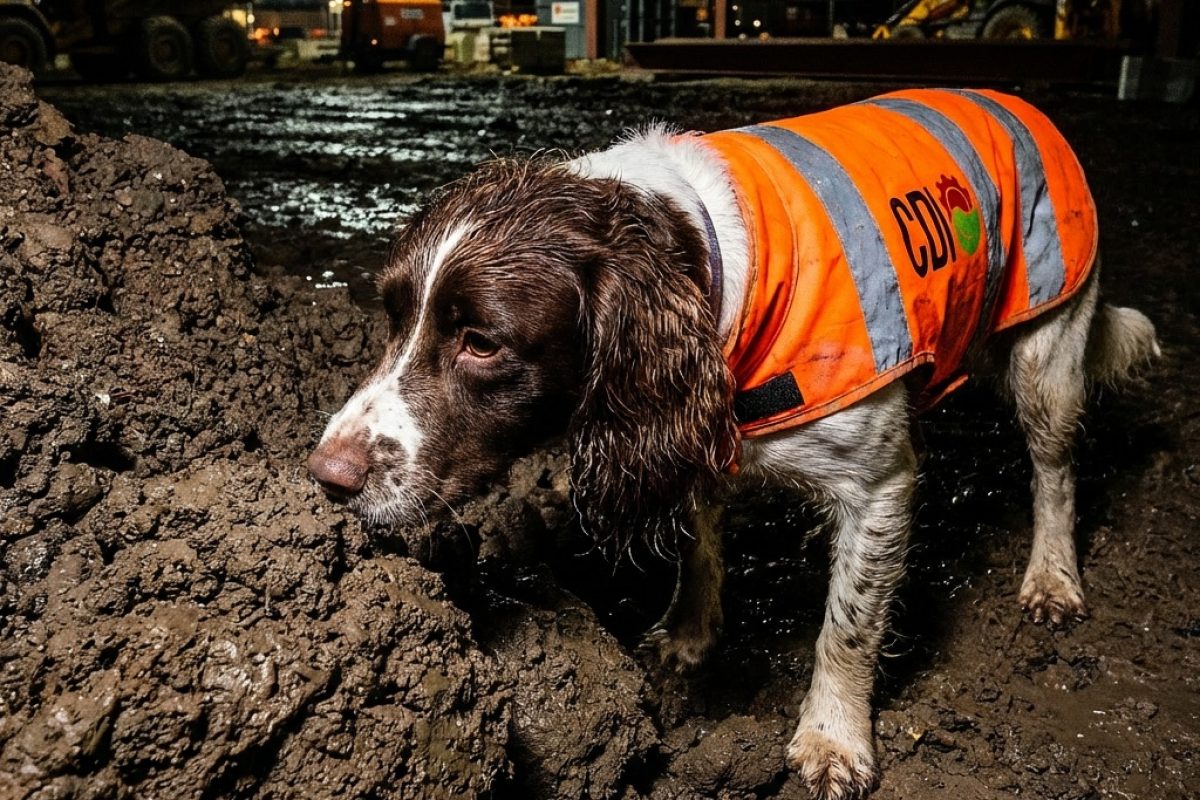
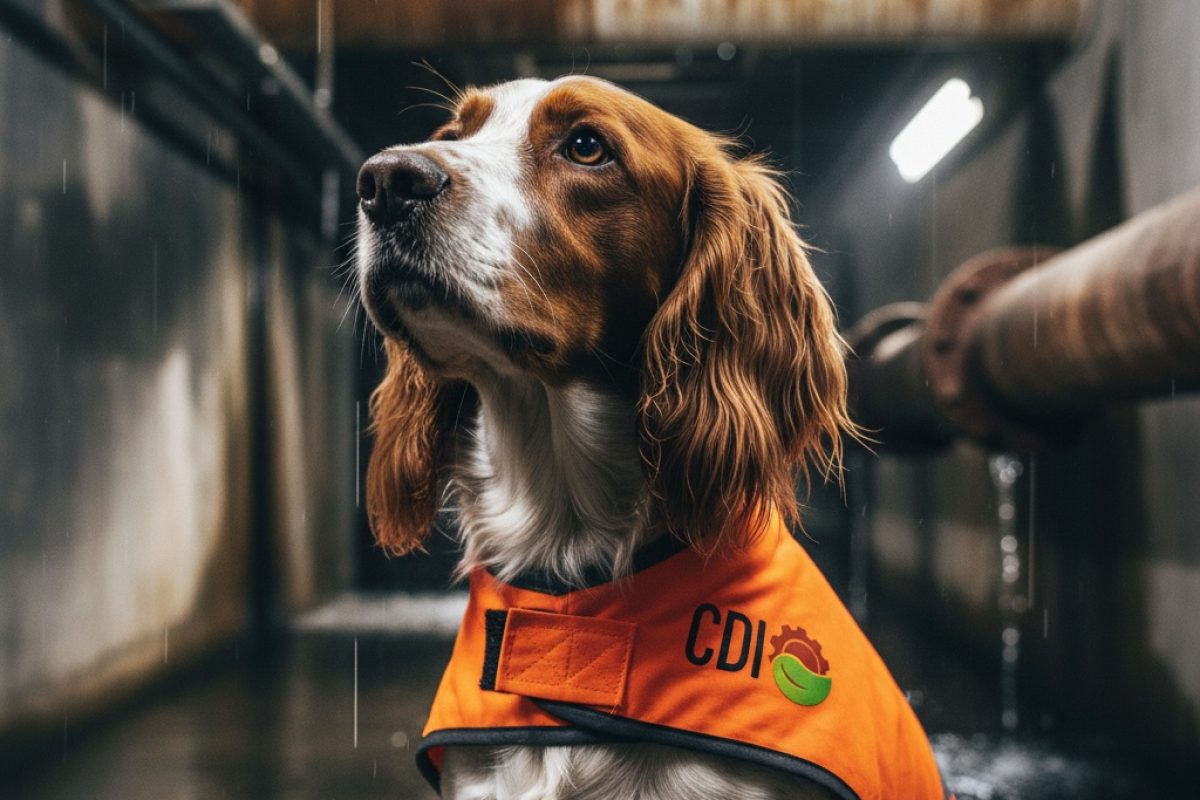
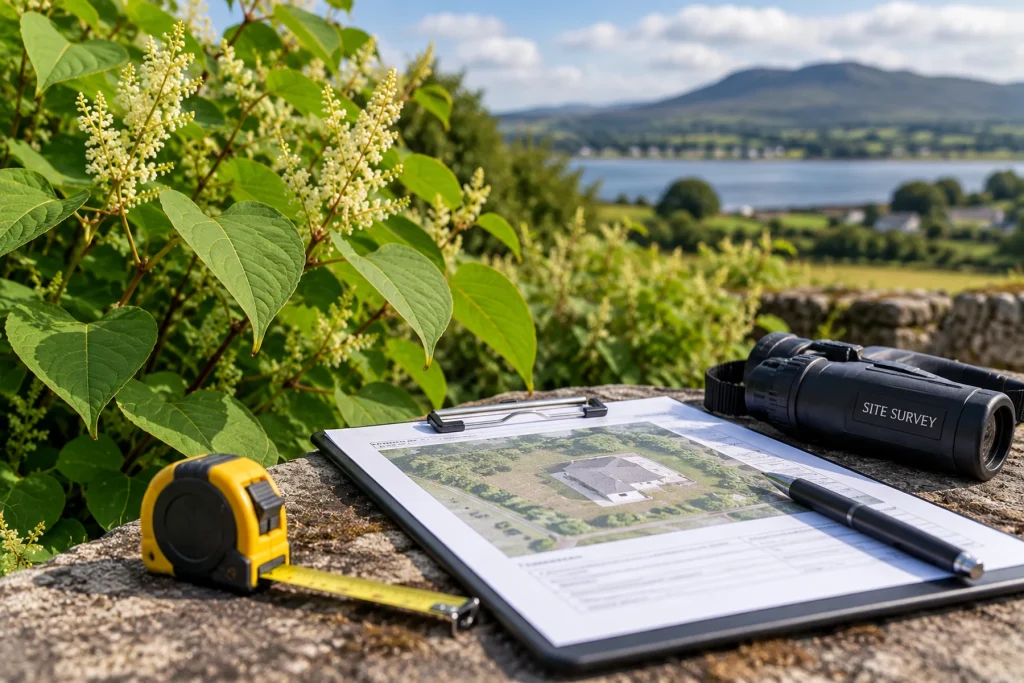
It is also important to understand that not every Japanese knotweed survey uses the same detection methods. Conventional visual assessments rely on identifying observable characteristics of the plant, including its stems, leaves and growth patterns. These inspections can be useful during the growing season, but they may have limitations when the plant has been treated, cut back or entered seasonal dormancy. Specialist canine detection provides an additional approach by using trained dogs to investigate the scent associated with Japanese knotweed, including concealed material that may not be apparent during a visual inspection.
CDI offers professional Japanese knotweed detection services across Ireland, using specialist detection dogs to support the investigation of suspected infestations. Rather than presenting a fixed price that may not reflect individual site conditions, the appropriate survey scope can be established according to the property, the potential risks and the decisions the findings need to support.
What factors affect the cost of a Japanese knotweed survey?
Several factors influence the amount of time, planning and specialist work involved in a Japanese knotweed survey. Understanding these considerations helps property owners compare quotations more effectively and determine whether a proposed inspection is suitable for the risks associated with their property. A survey should not simply cover a particular area of land; it should also address the reasons why the inspection is being commissioned and provide information that can support appropriate next steps.
Property size and the area requiring investigation
The size of a property is one of the primary considerations when determining the scope of a Japanese knotweed survey. A small residential garden generally requires less ground to be inspected than a large construction site, agricultural holding or infrastructure corridor. However, the overall size of the property does not always reflect the complexity of the investigation. A relatively small site with dense vegetation, restricted access or several locations of suspected infestation may require more detailed assessment than a larger area consisting mainly of accessible open ground.
For developers, it is particularly important to consider the areas where future activities could disturb the soil. The proposed building footprint may represent only part of the land requiring attention. Temporary access routes, storage compounds, landscaping areas, drainage installations and locations intended for soil stockpiling may also be relevant. If the survey covers only the most obvious areas, the development team could remain uncertain about potential Japanese knotweed risks elsewhere on the site.
Defining the inspection boundaries at the beginning of the process helps ensure that the survey addresses the areas most relevant to the client’s plans. This is also useful when comparing quotations, as two providers may propose substantially different inspection areas even when their services appear similar.
Site accessibility and physical conditions
The condition of the property can affect the practical requirements of a Japanese knotweed survey. Open and accessible ground is generally easier to investigate than land containing steep slopes, dense undergrowth, accumulated materials, fencing or structures that restrict access. Some sites may also require advance coordination before an inspection can take place, particularly where construction operations, industrial activities or other safety considerations are involved.
Previous ground disturbance can introduce additional complexity. Soil that has been moved, excavated or imported may require closer attention where Japanese knotweed is known or suspected to have been present. Similarly, cleared land can appear free of vegetation even when viable underground material remains. These conditions may influence the areas selected for investigation and the interpretation of survey findings.
Property owners can help the survey provider prepare an appropriate quotation by supplying photographs, plans and details of known access restrictions. Information about previous landscaping, clearance work or construction activity can also be useful, particularly where those activities took place near suspected Japanese knotweed growth.
Type of survey and detection method
Different Japanese knotweed inspection methods are designed to provide different forms of information. A conventional visual survey can identify signs of the plant when its distinguishing characteristics are visible, particularly during active growth. However, visual identification does not necessarily establish the full extent of underground rhizomes, and it may be less effective where vegetation has been removed or treated.
Japanese knotweed develops an extensive underground rhizome system that can extend beyond the area where stems are visible. Consequently, a property may contain concealed plant material even when the surface appears clear. For certain situations, particularly where excavation or remediation planning is involved, additional investigation beyond a visual inspection may be appropriate.
Specialist detection dogs are trained to recognise scents associated with Japanese knotweed, providing a method of investigating possible concealed or dormant growth without routinely disturbing the ground. CDI uses canine detection to support the identification of areas that may require further attention. The findings can help inform subsequent assessment and management decisions, although additional verification may be necessary depending on the site and the purpose of the investigation.
Choosing between inspection methods should depend on the information required rather than price alone. Understanding when knotweed surveys are necessary can help property owners decide whether a straightforward visual assessment or specialist investigation is more appropriate.
Previous infestation and treatment history
A property with a known history of Japanese knotweed may require a different investigation from land where the plant has never previously been reported. Treatment, cutting and vegetation clearance can reduce or remove visible growth without necessarily eliminating every viable underground rhizome. This means that a site may appear clear while uncertainty remains about the presence of concealed plant material.
Treatment records can provide valuable information about where Japanese knotweed was previously identified, which areas were managed and whether follow-up monitoring took place. However, these records should be considered alongside current site conditions rather than treated as automatic confirmation that an infestation has been eradicated. The extent and effectiveness of previous management work can vary considerably between properties.
Where soil has been excavated or relocated, the history of these activities may also be relevant. Japanese knotweed can spread through viable rhizome fragments, so understanding how soil has been handled can help identify areas that warrant additional attention. Sharing previous treatment documents, historical photographs and site plans can support the planning of a more focused investigation.
Reporting and documentation requirements
The information required after a Japanese knotweed survey can influence the scope of the service. A homeowner investigating suspicious vegetation may need a clear assessment of the findings and guidance on whether further professional investigation should be considered. A developer, commercial landowner or environmental consultant may require more detailed documentation to support construction planning, land management or discussions with other project professionals.
Depending on the agreed service, reporting may record relevant detection locations, site observations, areas of concern and recommendations for subsequent investigation. The detail required should reflect how the information will be used. A report intended to support early site due diligence may have different requirements from an inspection commissioned to investigate one specific area of a residential garden.
Before accepting a quotation, clients should establish what documentation is included and whether it is suitable for their intended purpose. Comparing a basic site visit with a more extensive detection and reporting service purely on price may not provide an accurate picture of the value offered.
Why is Japanese knotweed difficult to detect without a professional survey?
Japanese knotweed is commonly associated with tall stems, broad leaves and dense seasonal growth, but these visible characteristics represent only part of the plant. Its underground rhizome system plays an important role in its survival and ability to spread. Even where visible growth has been removed, living material may remain beneath the surface and produce new shoots under suitable conditions.
Identification can also become more challenging during the colder months. Japanese knotweed typically loses its leaves and its above-ground stems die back as the growing season ends. Areas that supported substantial growth during summer may appear significantly different during winter, making it harder for an untrained observer to recognise the presence or previous extent of the infestation.
Previous management activity can create similar difficulties. A property where stems have been repeatedly cut may show limited above-ground growth, while land that has undergone herbicide treatment may remain visually clear for a period without that appearance alone proving complete eradication. Soil covering, vegetation clearance and landscaping can also conceal evidence that might otherwise help identify a problem.
Another difficulty is that several plants can resemble Japanese knotweed at particular stages of growth. Misidentification may lead property owners to worry unnecessarily or overlook a genuine infestation. A professional assessment can help distinguish suspected Japanese knotweed from other vegetation while considering the condition and history of the site.
For properties where concealed material may affect future decisions, specialist detection can provide information beyond what is immediately visible. This is particularly relevant before excavation, property transactions or activities that could disturb potentially affected soil.
Is a cheaper Japanese knotweed survey worth the risk?
A lower-cost survey is not automatically unsuitable. Where Japanese knotweed is clearly visible and the purpose of the inspection is limited, a relatively straightforward assessment may provide the information needed. Commissioning an unnecessarily extensive investigation would not represent good value for a property owner with a simple, well-defined concern.
However, problems can arise when the scope of a survey is too limited to address the actual risk. A visual inspection conducted after vegetation has been removed may not provide sufficient information about concealed rhizomes. Similarly, inspecting only one known infestation area may leave important questions unanswered where surrounding land will be excavated or redeveloped.
For example, a developer may commission a basic inspection before construction and conclude that the visible knotweed is confined to a particular boundary. If suspected rhizome material is subsequently discovered during groundworks elsewhere on the property, additional assessment and revised soil-management arrangements may be required. The expense and disruption associated with investigating a problem during active construction can be greater than addressing uncertainty during the planning stage.
The objective should therefore be to obtain an appropriate survey rather than simply the cheapest available option. A properly defined inspection can help establish where potential risks exist and where additional investigation may be necessary. This information supports more informed decisions about treatment, excavation and future land use.
What additional costs can Japanese knotweed create for property owners?
The financial impact of Japanese knotweed can extend beyond the cost of treating the infestation itself. For residential property owners, uncertainty about Japanese knotweed may affect the process of buying or selling a home, particularly where a buyer or lender requests further information. Additional investigation, professional advice and documentation may be needed before the transaction proceeds.
The presence of Japanese knotweed does not automatically mean that a property cannot be sold or financed. However, an unresolved concern may complicate negotiations, especially where the extent of the infestation or the effectiveness of previous treatment remains unclear. Establishing the facts through an appropriate survey can help the parties understand the situation before making decisions.
For commercial properties and development sites, the potential implications can be more extensive. Japanese knotweed may affect excavation, soil handling, landscaping, access arrangements and the preparation of remediation plans. Where suspected infestations are discovered after work begins, contractors may need to seek specialist advice before continuing certain activities.
Movement of potentially affected soil can create further concerns because viable rhizome fragments may establish new growth if they are transferred to suitable locations. As a result, uncertainty about the location of underground material can influence how excavation and material-handling activities are planned.
CDI’s Japanese knotweed development case study demonstrates the value of investigating suspected infestation risks before they interfere with development decisions. Identifying relevant areas early can support more targeted management planning and help project teams avoid relying entirely on assumptions about where knotweed may be present.
Can early Japanese knotweed detection reduce remediation costs?
Early detection can help property owners and project teams make more informed decisions before committing to treatment, excavation or other land-management activities. Although a survey cannot guarantee lower remediation costs, improving the available information can reduce uncertainty and help specialists plan an approach suited to the actual circumstances.
Consider a development site where visible Japanese knotweed is present along one boundary. Without sufficient investigation, the project team may be uncertain whether the infestation is confined to that area or whether concealed rhizomes extend into land scheduled for groundworks. Assuming the entire site is affected could result in unnecessarily extensive restrictions or intervention, while assuming that only the visible area is affected could leave other risks unaddressed.
A specialist detection survey can help identify locations where potential Japanese knotweed activity warrants further attention. Appropriate follow-up investigation can then help determine the extent of any infestation and inform management or remediation planning. This approach supports more proportionate decision-making than treating every uncertain area in the same way.
The benefits are not limited to construction projects. A homeowner planning landscaping may wish to investigate suspicious vegetation before moving soil around the garden. A commercial landowner considering the sale or redevelopment of a property may want to clarify potential infestation risks before entering negotiations or commissioning detailed construction plans.
Detection is only one stage in the wider management process, and its findings should be interpreted alongside other relevant evidence. Nevertheless, investigating at an early stage can help avoid decisions based on incomplete information and reduce the likelihood of discovering unexpected complications later.
Should you arrange a Japanese knotweed survey before buying a house in Ireland?
A specialist Japanese knotweed survey is not a universal legal requirement for every house purchase in Ireland. However, arranging one may be advisable where Japanese knotweed is known or suspected on the property, has previously been treated or is growing close to the boundary. The decision should be based on the available evidence and the implications that an infestation could have for the buyer’s intended use of the property.
A general property survey may identify visible Japanese knotweed or raise concerns about suspicious vegetation. However, this does not necessarily establish the extent of underground rhizomes, particularly where the plant is dormant or previous treatment has suppressed growth. If uncertainty remains, additional specialist assessment can provide information that may be useful before completing the purchase.
Buyers who intend to extend a property, excavate foundations, install drainage or carry out substantial landscaping should consider whether suspected Japanese knotweed could affect those plans. Even if an infestation is not currently causing a visible problem, disturbing affected soil may require appropriate management measures.
Sellers may also benefit from investigating concerns before marketing a property. Providing accurate information about known infestations or previous treatment can help reduce uncertainty during negotiations. Where Japanese knotweed has already been identified during a transaction, our guide to knotweed findings during property surveys explains why further investigation may be appropriate.
The purpose of obtaining a survey is not to assume that every suspected infestation will prevent a sale. It is to establish reliable information so buyers, sellers and their professional advisers can make decisions with a clearer understanding of the potential risks.
Why should developers arrange a Japanese knotweed survey before groundworks?
Japanese knotweed can be especially problematic for development projects because construction frequently involves excavation, soil movement and changes to existing ground conditions. If viable rhizome material is present in areas scheduled for disturbance, contractors may need specialist advice on how the affected ground should be managed.
The most practical time to investigate potential Japanese knotweed risks is often before groundworks begin. At this stage, developers may still have opportunities to adjust construction arrangements, plan appropriate verification and incorporate necessary management measures into the project schedule. Discovering suspected knotweed after excavation has started can create additional pressure because the project team may need to resolve the issue while other activities are already underway.
An effective survey should take account of the proposed construction activities rather than focusing only on currently visible vegetation. Areas intended for foundations, drainage, utilities, access routes and soil stockpiles may all be relevant where there is evidence of potential infestation. Previous site clearance and historical soil movement can also influence which locations should receive particular attention.
CDI’s article on Japanese knotweed construction site risks explores the issues developers should consider before beginning excavation and site preparation. The information from an appropriately scoped detection survey can help the project team decide whether additional verification, specialist treatment advice or changes to soil-management arrangements are required.
By investigating potential infestations early, developers can incorporate the findings into wider due diligence and reduce the likelihood of having to make urgent decisions after construction work has begun.
Can Japanese knotweed surveys be carried out during winter?
Japanese knotweed surveys can be undertaken during winter, although the suitability of different inspection methods depends on the site conditions and the information required. During colder months, the plant’s visible growth normally dies back, while underground rhizomes may remain alive. This seasonal change can make conventional visual identification more difficult, particularly where old stems have been cleared or previous treatment has affected the appearance of the vegetation.
For homeowners, developers and land managers working to fixed deadlines, waiting until spring may not always be practical. Property transactions, planning decisions and construction schedules can continue throughout the year, creating a need to investigate suspected infestations even when above-ground growth is limited.
Specialist canine detection offers an additional approach because trained dogs investigate scents associated with Japanese knotweed rather than depending entirely on visible plant characteristics. This can be useful for assessing potential concealed or dormant material, although accessibility, environmental conditions and the limitations of the method must still be considered when planning the inspection.
CDI’s article about Japanese knotweed detection during winter explains why dormancy can make identification challenging and how specialist detection may support investigations outside the growing season. A suitable winter survey can help clarify concerns before important decisions are made, rather than automatically postponing the investigation for several months.
What should a professional Japanese knotweed survey include?
A professional Japanese knotweed survey should be designed around the property’s circumstances and the questions that need to be answered. Before the inspection, the provider should understand the location, size and condition of the site, along with any known history of Japanese knotweed or previous treatment. Where possible, relevant photographs, plans and treatment records can help identify potential areas of concern and establish the appropriate survey boundaries.
During the investigation, the selected inspection method should be applied to the agreed areas of the property. The provider should also recognise and communicate any relevant limitations, including inaccessible locations or conditions that could affect the findings. A survey cannot reasonably provide assurance about areas that have not been inspected, so the boundaries of the assessment should be clear.
Following the site visit, the client should receive information appropriate to the agreed reporting scope. This may include observations, recorded detection locations, identified areas of concern and recommendations for further investigation where necessary. The level of detail should reflect whether the survey is intended to support a residential property decision, land-management planning or a commercial development project.
A useful survey does not simply state whether Japanese knotweed has been observed. It provides context that helps the property owner understand the findings and determine whether additional professional advice, verification or management work is appropriate.
How do you choose the right Japanese knotweed survey provider?
Choosing a Japanese knotweed survey provider involves more than comparing quotations. Property owners should consider whether the proposed inspection method is suitable for their circumstances, what experience the provider has with similar sites and whether the resulting information will be appropriate for the intended decision.
For a residential property, the objective may be to resolve uncertainty about suspicious vegetation before a sale or landscaping project. For commercial land, the investigation may need to support construction planning, environmental due diligence or remediation decisions. The provider should understand these different requirements rather than recommending an identical inspection for every situation.
It is also important to understand the limitations of the service. A reliable provider should not suggest that a single detection method can guarantee the absence of every rhizome or replace all subsequent investigation. Where findings indicate possible Japanese knotweed activity, appropriate verification and specialist management advice may still be needed.
Clients should also establish what reporting will be provided, how the survey area is defined and whether the quotation includes the documentation needed for the purpose of the inspection. Clear communication about these details makes it easier to compare services and avoid unexpected gaps in the information received.
The best survey is one that provides relevant findings using an appropriate method and a clearly defined scope. Investing in suitable detection can be particularly valuable where unresolved uncertainty could affect property value, construction planning or future land use.
Why choose CDI for Japanese knotweed detection in Ireland?
CDI specialises in early detection using professionally trained scent detection dogs, helping clients investigate Japanese knotweed risks that may not be apparent through visual inspection alone. Its approach is particularly relevant where suspected infestations involve dormant growth, concealed rhizomes or areas that have previously undergone vegetation clearance or treatment.
Canine detection provides a non-invasive way to investigate potential Japanese knotweed activity without routinely excavating the ground during the initial assessment. This can be valuable for residential gardens, commercial properties and development sites where unnecessary disturbance should be avoided.
For developers and land managers, specialist detection can support the identification of areas requiring further assessment before excavation or remediation planning. For homeowners and property buyers, it can provide additional information when suspicious vegetation or previous infestation history raises concerns.
CDI’s work across property and development environments demonstrates the practical role of specialist detection in helping clients understand potential risks before they become more complicated. The objective is not simply to identify visible plants, but to support better decisions by investigating areas where Japanese knotweed may remain concealed.
By combining trained detection dogs with an inspection scope appropriate to the site, CDI helps homeowners, developers, surveyors and commercial landowners obtain information relevant to their circumstances.
Request a Japanese knotweed survey quotation in Ireland
The cost of a Japanese knotweed survey should reflect the size of the property, the site conditions, the potential infestation risks and the information required from the investigation. A small residential assessment and a detailed survey of commercial development land may involve very different requirements, which is why requesting a site-specific quotation is more useful than relying on a general estimate.
If you suspect Japanese knotweed on your property, have concerns about previous treatment or need to investigate land before excavation, arranging an appropriate survey can help clarify the situation before further decisions are made. Early specialist detection may also support more targeted follow-up investigation and better-informed planning.
CDI provides Japanese knotweed detection services across Ireland, supporting homeowners, developers, contractors and land managers who need to investigate potential visible or concealed infestations.
To discuss your property and obtain a quotation based on your requirements, contact CDI for survey advice. Providing the location, approximate survey area, relevant site history and reason for the inspection can help establish the most appropriate next steps.
Frequently asked questions
How much does a Japanese knotweed survey cost in Ireland?
The cost depends on the property size, accessibility, survey method, previous infestation history and reporting requirements. A small residential property may require a less extensive investigation than a large construction or commercial development site. Because the appropriate scope differs between properties, obtaining a quotation based on the actual site conditions is the most reliable way to determine the price.
Is a Japanese knotweed survey legally required when selling a house in Ireland?
A specialist Japanese knotweed survey is not automatically required for every house sale in Ireland. However, where knotweed is known or suspected, buyers, surveyors or lenders may request additional information. Obtaining an appropriate assessment can help clarify the situation and support informed decisions during the property transaction.
Can a Japanese knotweed survey detect underground rhizomes?
Specialist detection dogs can investigate scents associated with Japanese knotweed, including concealed plant material that may not be visible above ground. This can help identify areas where underground rhizomes may be present. Depending on the findings and the purpose of the survey, additional verification may be necessary before treatment or excavation decisions are made.
Does a Japanese knotweed survey include removal or treatment?
A detection survey is different from a removal or treatment programme. The purpose of the survey is to investigate potential Japanese knotweed activity and identify relevant areas of concern. Treatment and remediation involve separate specialist processes intended to manage an established infestation. CDI focuses on detection, which can provide useful information for subsequent investigation and management planning.
Can Japanese knotweed be detected during winter?
Yes. Specialist detection surveys can be carried out during winter, when Japanese knotweed is dormant and its visible growth may be limited. Trained scent detection dogs provide an additional method of investigating suspected knotweed without relying entirely on above-ground characteristics. The suitability and interpretation of the survey will still depend on environmental and site conditions.
How long does a Japanese knotweed survey take?
The duration depends on the size of the inspection area, accessibility, complexity and survey requirements. Smaller residential properties may take less time to investigate than large development sites with several potential infestation zones. A survey provider can give a more accurate indication of the time required after reviewing the site and establishing the scope of work.
Will a Japanese knotweed survey damage my garden?
CDI’s canine detection approach is non-invasive and does not ordinarily require excavation during the initial inspection. This can make it suitable for gardens, landscaped areas and other locations where unnecessary ground disturbance is undesirable. If the findings suggest that further physical investigation is needed, that would be considered separately.
Should I arrange a survey if Japanese knotweed is growing next door?
A survey may be advisable where Japanese knotweed is growing close to your property boundary, particularly if there are plans for excavation, landscaping or a property transaction. Its presence on neighbouring land does not automatically confirm that your property is affected, but underground spread and previous site conditions may justify specialist investigation.
Can a Japanese knotweed survey help reduce treatment costs?
An appropriately scoped survey can help identify areas that require additional investigation or treatment planning, potentially allowing specialists to focus resources more effectively. This may reduce unnecessary intervention and help avoid overlooking relevant infestation areas. However, any actual savings depend on the property’s condition, the extent of the infestation and the remediation approach selected.
How do I book a Japanese knotweed survey with CDI?
You can contact CDI through its website and provide details about the property, including its location, approximate size, previous Japanese knotweed activity and the reason for requesting an inspection. CDI can review the information, discuss the appropriate scope and provide a quotation based on the requirements of the site.