Discovering Japanese knotweed during a property survey can feel alarming, especially if you are in the middle of a purchase or sale. However, it is important to understand that finding knotweed does not necessarily mean a transaction will fall apart. What matters is how the issue is identified, reported, and addressed. Understanding the process and knowing what steps to take next can make a significant difference to how the situation is managed.
Why property surveys check for Japanese knotweed
Japanese knotweed has become a standard item on property surveys in Ireland because of the significant problems it can cause for structural integrity and property value. Its root system, which spreads aggressively underground, can penetrate foundations, damage drainage systems, and work through cracks in hard surfaces. Over time this can lead to costly structural issues that are difficult and expensive to repair.
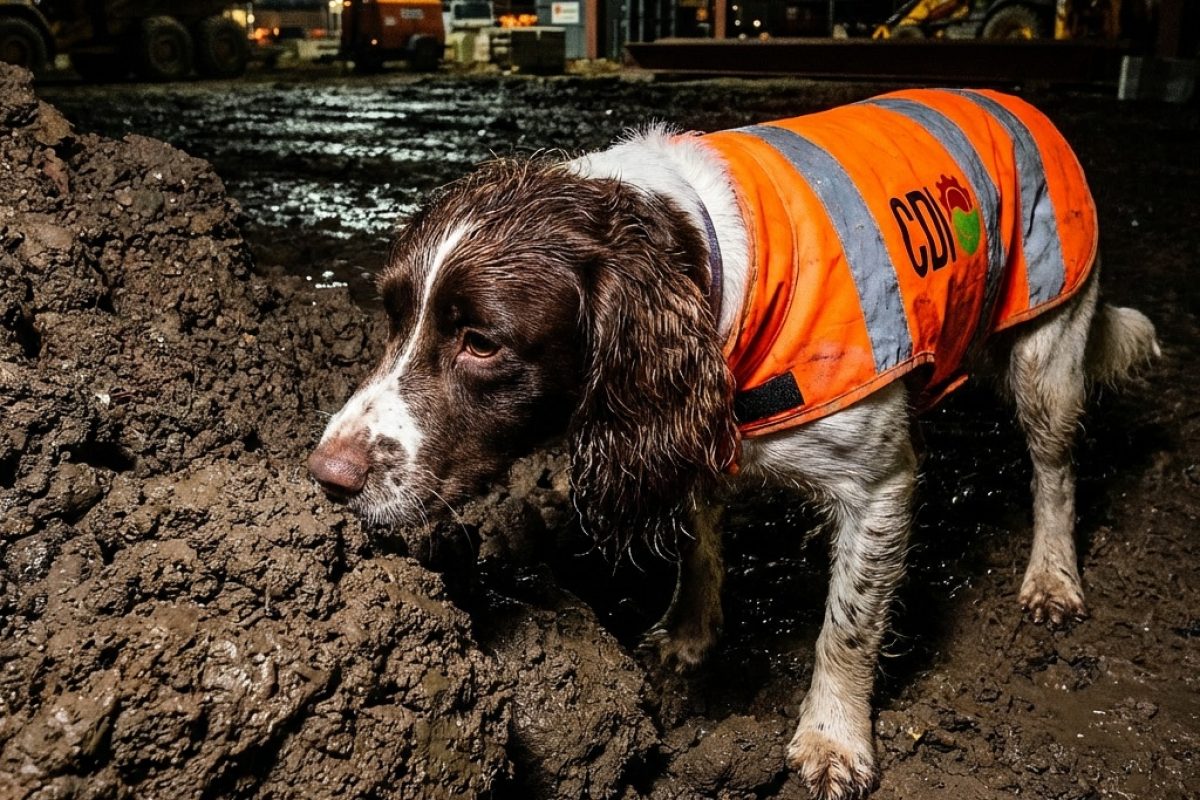
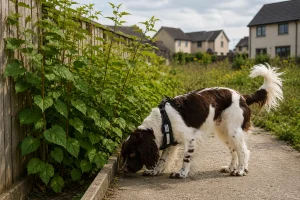
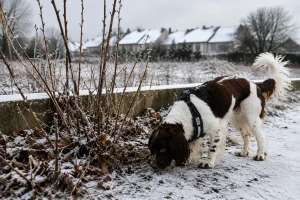
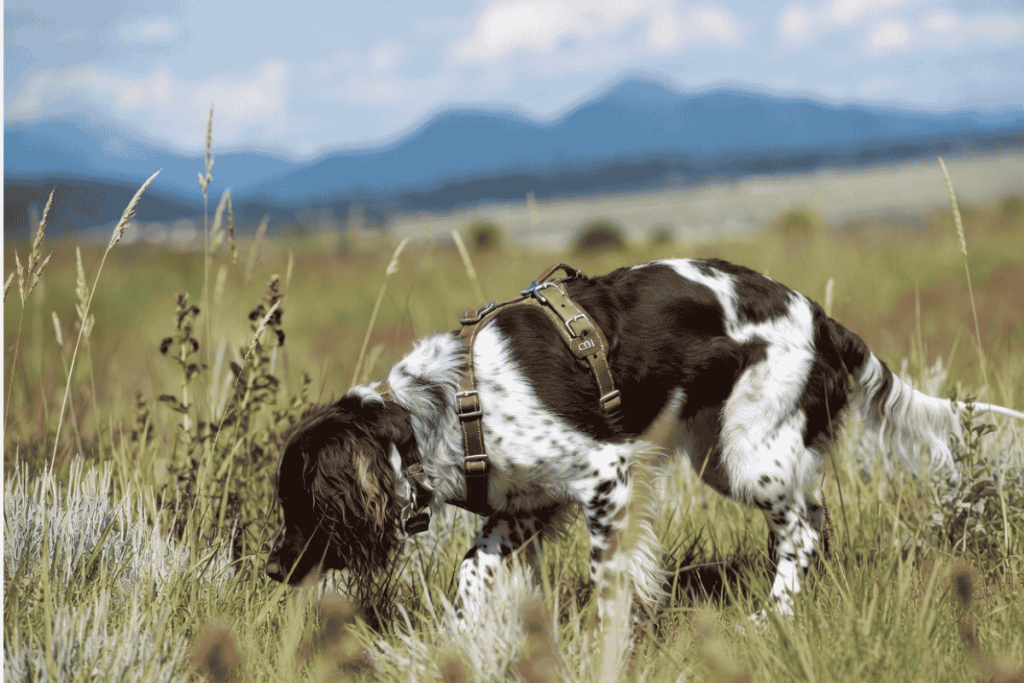
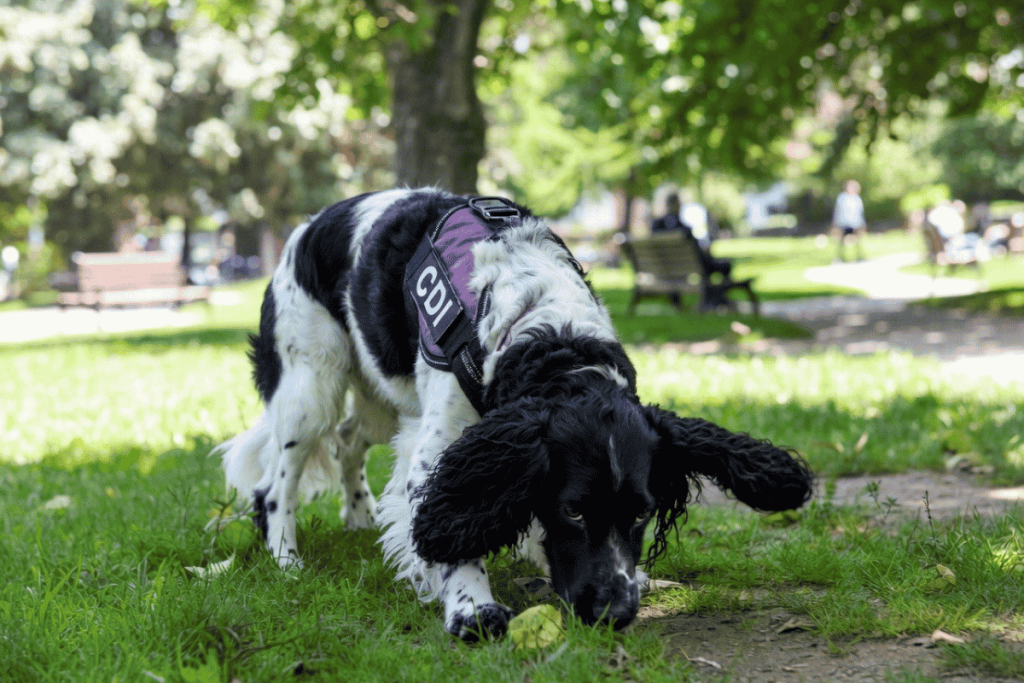
Surveyors and specialists are trained to look for knotweed as part of routine property assessments, and in many cases lenders now require confirmation that any knotweed found has been professionally managed before they will approve mortgage financing. This makes accurate identification a critical step in the process. A thorough survey using Japanese knotweed detection dogs can identify the presence of rhizomes even when there are no visible signs above the ground, giving buyers and sellers a clearer picture of what they are dealing with.
What happens immediately after knotweed is identified
If Japanese knotweed is found during a survey, the first priority is to confirm the identification and assess the extent of the infestation. A preliminary visual identification by a surveyor is a useful starting point, but for a definitive assessment it is important to involve a specialist who can evaluate how far the plant has spread, both above and below the surface.
At this stage it is also important not to disturb the plant. Cutting, digging, or attempting to remove knotweed yourself can cause the root system to fragment and spread further, making the problem significantly worse. Even moving contaminated soil from one location to another can lead to a new infestation establishing elsewhere on the site. In Ireland, Japanese knotweed is classified as controlled waste, which means it must be handled and disposed of in accordance with specific regulations.
How knotweed affects the mortgage process in Ireland
One of the most immediate practical concerns when knotweed is found on a property is the impact on mortgage approval. Many lenders in Ireland will not proceed with a mortgage application for a property where Japanese knotweed is present unless evidence is provided that a professional management plan is in place. The specific requirements vary between lenders, but in most cases you will need a report from a qualified specialist confirming the extent of the infestation and a treatment plan that is being actively implemented.
This does not mean a mortgage will be automatically refused. Lenders are generally willing to proceed once they have appropriate assurances that the issue is being managed correctly. Having a documented management plan prepared by a reputable specialist is typically the most effective way to satisfy lender requirements and keep a transaction moving forward.
What a Japanese knotweed management plan involves
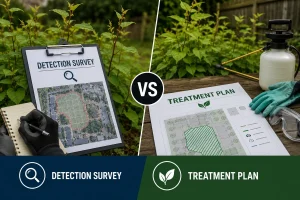
A professional Japanese knotweed management plan sets out how the infestation will be treated and monitored over time. Herbicide treatment is the most common approach and typically involves repeated applications over a period of several growing seasons. The exact duration depends on the size and maturity of the infestation. Larger or more established infestations take longer to treat than smaller or more recently established ones.
The management plan will usually include initial site assessment, a programme of treatment visits, monitoring between treatments, and a final sign-off once the infestation has been successfully controlled. Some plans also include an insurance-backed guarantee, which can be particularly valuable when the property is being sold or remortgaged, as it provides additional assurance to lenders and buyers.
How knotweed affects property value
The impact of Japanese knotweed on property value is a common concern for sellers and buyers alike. The presence of knotweed does not automatically mean a property is unsellable or that its value will be dramatically reduced. However, an untreated infestation without a management plan in place is far more likely to affect value and saleability than one that has been identified, reported, and is being professionally managed.
Buyers who discover knotweed during a survey may seek a reduction in the purchase price to reflect the cost of treatment, or they may require the seller to arrange and fund a management plan as a condition of sale. These outcomes are negotiable and depend on the extent of the infestation and the specific circumstances of the transaction. Transparency and early action are almost always beneficial in these situations.
What sellers should do before putting a property on the market
For sellers, the most effective way to manage the risk of Japanese knotweed affecting a sale is to address it before the property goes to market rather than waiting for a buyer’s survey to raise it. Commissioning an independent survey in advance gives you accurate information about whether knotweed is present, how extensive it is, and what a management plan would involve. If knotweed is found, you can then arrange treatment and have a plan in place before any buyer is involved, which puts you in a far stronger negotiating position. A property that is already subject to a professional management plan with documented treatment visits is significantly more straightforward for buyers and their lenders to accept than one where the issue is discovered mid-sale and needs to be dealt with under pressure. In some cases, having an insurance-backed guarantee already in place can also support a stronger asking price by demonstrating that the issue has been handled responsibly. Proactive sellers who deal with knotweed transparently and professionally almost always experience smoother transactions than those who leave it to be discovered. If you are preparing a property for sale and want to understand your position clearly, arranging an early professional assessment is the most sensible first step.
The importance of professional detection
Accurate identification is essential at every stage of the process. Misidentifying Japanese knotweed or underestimating the extent of an infestation can lead to poor decisions and unnecessary costs. Equally, failing to identify knotweed that is present, particularly when it is dormant or in its early stages, can create serious problems later on. Professional Japanese knotweed detection dogs are particularly effective at locating underground rhizomes before the plant becomes visible above the surface, making them a valuable tool for comprehensive pre-purchase surveys.
If you are buying, selling, or managing a property in Ireland and you have concerns about Japanese knotweed, the most sensible step is to arrange a professional survey as early as possible. Early identification gives you the most options for managing the situation and ensures that any decisions made during a property transaction are based on accurate information. Contact CDI to find out how their detection services can help you get a clear picture of what is on the ground before it becomes a more serious problem.